

Published on October 5, 2026 — by Ellen Bennett, Women’s Health Researcher
Medical & Affiliate Disclosure: This article is for educational purposes only and is not medical advice. Always talk to your doctor about urinary symptoms and before starting any supplement, especially if you take prescription medication or have a history of hormone-sensitive cancer. We are not affiliated with AZO and earn nothing if you buy it. Some links below are affiliate links for FemiCore; if you buy through them we may earn a commission at no extra cost to you. That does not change what we write.
Independent women’s health research · Written and fact-checked by Ellen Bennett, Women’s Health Researcher · Last verified: October 2026
FemiCore vs AZO looks like a simple question until you walk into the urinary aisle and realize there is no single thing called “AZO.” There is a purple box for bladder control, a red one for cranberry, a pink one for vaginal probiotics, and a pain reliever that turns your urine orange. Most comparison pages online pick one of them at random and declare a winner.
That is the wrong way to do it, and it is how women end up with a box aimed at the wrong problem. The useful version of this comparison starts with your symptom, then picks the AZO product that matches it, and only then puts it next to FemiCore. That is what this page does.
Quick Answer: FemiCore vs AZO depends on which AZO you mean. For urgency and night-time trips without infections, AZO Bladder Control is the logical first try: its Go-Less blend had a 2014 placebo-controlled trial in 120 women aged 35 to 70, and it costs about 74 cents a day. For UTIs that keep coming back, the fair comparison is FemiCore against AZO’s cranberry and probiotic products bought separately, and that is where FemiCore’s one-capsule combination of standardized cranberry and five named Lactobacillus strains makes more sense.
FemiCore vs AZO: Which One Is for You?
- Choose FemiCore if repeat UTIs, burning that keeps returning, or changes since menopause are part of your story. Cranberry standardized to 30% PACs plus five named Lactobacillus strains, in one capsule a day.
- Choose AZO Bladder Control if your only complaint is urgency and getting up at night, with no history of infections, and you want the cheapest experiment first.
- Skip both if you leak only when you cough, sneeze or lift. That is a pelvic floor job.
- Best FemiCore order: the 3-bottle package, about $2.30 a day with free shipping. Safety net: 60-day money-back guarantee, official site only.
FemiCore — for recurrent UTIs and the urgency that comes with them
Why “FemiCore vs AZO” Is Really Three Comparisons
AZO is a brand, not a formula. Its urinary shelf includes several products that do completely different things, and the boxes share the same design, so it is easy to buy the wrong one. Here are the ones that matter for this comparison:
| AZO product | What is in it | What it is aimed at | Fair rival to FemiCore? |
|---|---|---|---|
| AZO Bladder Control with Go-Less | Pumpkin seed + soy germ extract, 300 mg per capsule | Urgency, frequency, night-time trips | Only if urgency is your whole problem |
| AZO Cranberry | Cranberry powder (Pacran), 500 mg per serving | Urinary tract health | Partly: covers the cranberry half |
| AZO Complete Feminine Balance | Four vaginal Lactobacillus strains, 5 billion CFU | Vaginal flora | Partly: covers the probiotic half |
| AZO Urinary Pain Relief | Phenazopyridine, a short-term pain medicine | Burning during an active infection | No. It numbs symptoms; it does not prevent anything. |
Two of those are not real competitors. The pain reliever is a short-term medicine for the burning of an infection that is already happening, and it can hide symptoms that need a doctor, so it is not in the same category as a daily supplement at all. That leaves two honest matchups, and they give opposite answers.
What Is FemiCore?
FemiCore is a once-daily women’s capsule built on the urinary microbiome idea. The formula pairs a roughly 350 mg herbal blend, headlined by cranberry standardized to 30% proanthocyanidins (PACs), with Mimosa pudica, berberine and bearberry, plus a 50 mg probiotic blend that names five Lactobacillus strains, including L. crispatus. It is sold only through its official site, made in a GMP-certified US facility, and covered by a 60-day money-back guarantee processed by ClickBank.
The theory behind it is that a healthy urinary and vaginal environment is dominated by protective lactobacilli, that this protection fades after menopause as estrogen falls, and that topping it up while making the bladder wall a harder place for bacteria to stick reduces the cycle of repeat infections. The individual pieces have real research behind them. The finished formula has not been tested in its own trial, which I say in every FemiCore article on this site. I go through each ingredient and the dose arithmetic in the FemiCore ingredients breakdown, and the product overall in my full FemiCore review.
What Is AZO Bladder Control?
AZO Bladder Control is the product most people mean when they search this comparison. It is a drugstore capsule containing Go-Less, a branded blend of water-soluble pumpkin seed extract and soy germ extract. The label directs one capsule three times a day for two weeks, then one capsule twice a day, and a 54-capsule box was about $19.99 when I checked.
Unusually for a drugstore supplement, the blend has a real trial behind it. A 2014 randomized, double-blind, placebo-controlled study in the Journal of Functional Foods gave 120 women aged 35 to 70 either the blend or placebo for 12 weeks and found less urgency and fewer night-time trips. I took that trial apart line by line in my AZO Bladder Control review, including the detail most buyers miss: the trial used 1,000 mg a day, and the label’s ongoing dose is 600 mg.
Matchup 1: Urgency and Night-Time Trips (AZO Bladder Control vs FemiCore)
If your day revolves around the sudden “I have to go now” feeling and you are up two or three times a night, but you do not get infections, this is your matchup. And I am going to give you the answer an affiliate page usually will not.
AZO Bladder Control is the more logical first experiment for pure urgency. Its blend was tested against placebo for exactly that symptom, in women of exactly your age range, and it costs less than half as much per day. The effect in that trial was modest, about 8 daytime trips against 9.5 on placebo according to ConsumerLab’s summary, and the study was funded by the ingredient supplier. But a qualified trial aimed at your symptom beats no trial.
FemiCore’s ingredient evidence is about infection, not urgency. Its cranberry and probiotic research tells you something about repeat UTIs. It tells you very little about a bladder muscle that fires too early. If I told you otherwise, I would be doing the thing I criticize review farms for.
| Urgency matchup | AZO Bladder Control | FemiCore |
|---|---|---|
| Trial aimed at urgency | Yes: 120 women, 12 weeks, placebo-controlled | No |
| Size of effect in that trial | Modest: about 1.5 fewer daytime trips | Not tested |
| Capsules per day | 3, then 2 | 1 |
| Approximate cost per day | About $0.74 at the maintenance dose | About $1.63 to $2.80 |
| Main caution | Soy: allergy, and hormone-sensitive breast cancer history | Berberine: blood sugar and medication interactions |
| Winner for pure urgency | AZO Bladder Control, on evidence and price | |
Two things would change that answer. The first is if your urgency is mixed up with infections, burning or a sense that something is “off” down there, which is very common after menopause. The second is if you cannot take soy. Both push you toward the second matchup.

Matchup 2: Recurrent UTIs (AZO Cranberry + Probiotic vs FemiCore)
If your bladder story is really an infection story (three or more UTIs in a year, burning that keeps coming back, antibiotics that work and then stop working), AZO Bladder Control is simply the wrong box. Pumpkin seed and soy were never studied for infection. The AZO products that do aim at infection are its cranberry line and its vaginal probiotic, sold separately.
This is where the comparison gets interesting, because the evidence for both halves is real:
- Cranberry. The 2023 Cochrane review of 50 trials and 8,857 people found cranberry products reduced repeat UTIs in women prone to them, by roughly a quarter. A 2024 meta-analysis added the number that matters most: the benefit appeared when daily PAC intake reached at least 36 mg.
- Lactobacillus crispatus. A 2011 placebo-controlled trial of an L. crispatus probiotic in women with recurrent UTIs saw infections return in 15% of the probiotic group against 27% on placebo. The overall difference did not reach statistical significance in that small trial, but women whose vaginas became heavily colonized with the strain had far fewer infections. It is promising, not proven.
Now look at how each brand delivers those two ideas.
| Recurrent UTI matchup | AZO Cranberry + AZO Feminine Balance | FemiCore |
|---|---|---|
| Cranberry | Yes, Pacran cranberry powder, labeled by weight | Yes, standardized to 30% PACs |
| Probiotic | Yes, four strains including L. crispatus | Yes, five named strains including L. crispatus |
| Extra botanicals | No | Berberine, bearberry, Mimosa pudica |
| Products to buy | Two | One |
| Where to buy | Any pharmacy | Official site only |
| Refund | Store return policy | 60-day money-back guarantee |
| Can you check the PAC dose? | Only if the label lists PACs | Not per ingredient; the blend total is listed |
Neither side gets a clean win on transparency. FemiCore tells you the cranberry is standardized to 30% PACs, which most brands never state, and that lets you do the arithmetic: at 30% PACs, 36 mg of PACs takes roughly 120 mg of extract, inside a 350 mg herbal blend. AZO’s cranberry products are sold by cranberry weight; if the box you pick up lists a PAC figure, that is the number to check against 36 mg.
Where FemiCore pulls ahead is the design. It puts the cranberry and the probiotic in one capsule, aimed at the same problem, with a guarantee long enough to run a real trial. If you are a woman past menopause with repeat infections, that is the combination the research points at, and it is the one I rate higher for that pattern.
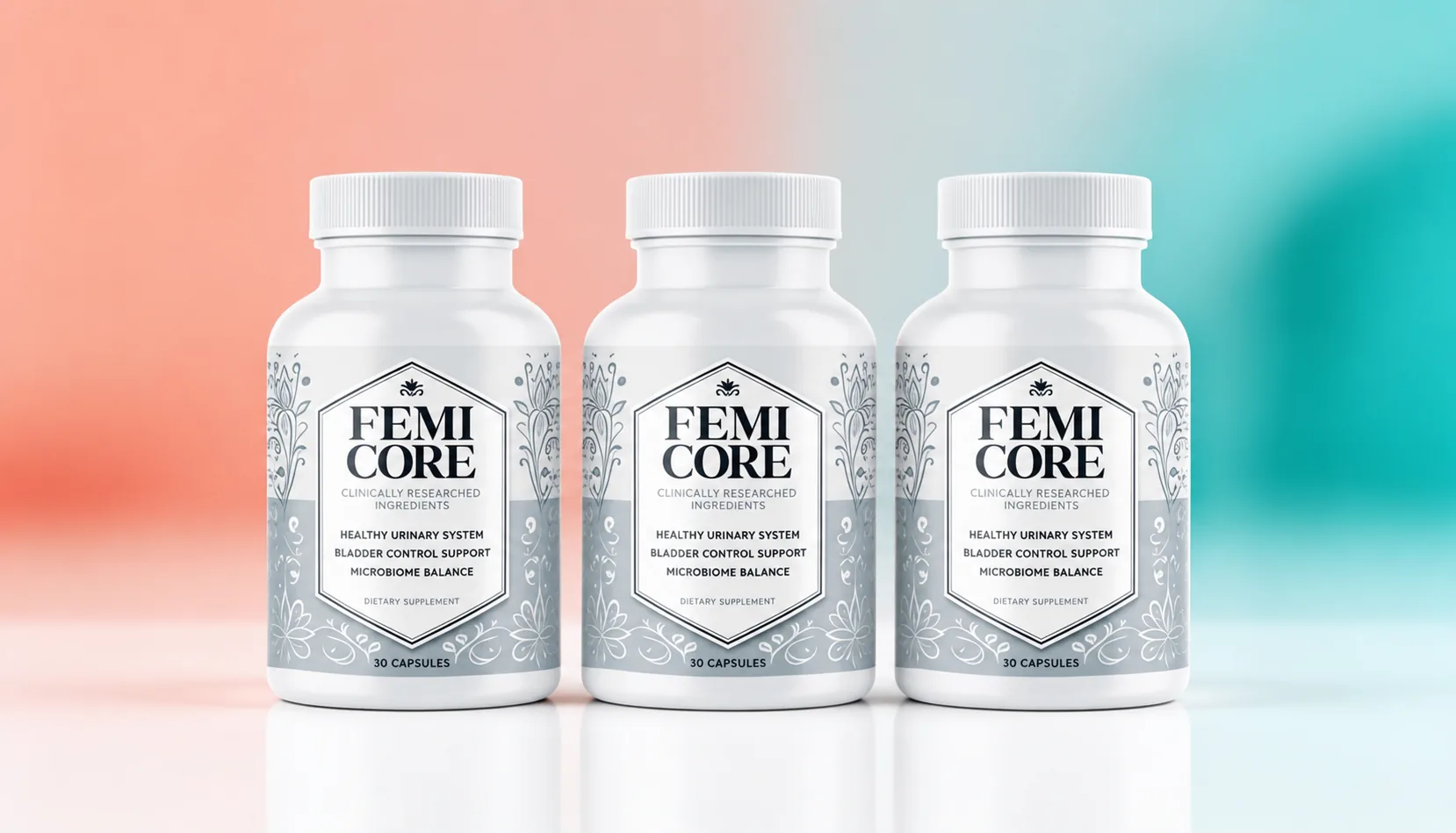
Repeat infections rather than plain urgency?
FemiCore is the microbiome-focused option we rate #1 for that pattern, with a 60-day money-back guarantee.
Why Menopause Tips the Balance
Most women searching this comparison are over 45, and that matters more than any ingredient list.
Before menopause, estrogen keeps the vaginal lining thick and feeds the Lactobacillus bacteria that keep the area acidic and unfriendly to the E. coli that cause most UTIs. After menopause, that protection thins out. A 2026 study of 62 postmenopausal women found that those with recurrent UTIs had markedly less L. crispatus in their vaginal flora than women without them, and far more antibiotic-resistant bacteria waiting in the gut.
That is why so many women notice that urgency and infections arrive together in their late forties and fifties, and why a product aimed only at bladder muscle tone often feels like it helps with half the problem. It is also why the first conversation to have is with your doctor about low-dose vaginal estrogen, which has the strongest evidence of anything for repeat UTIs after menopause. A supplement is a support alongside that, not a replacement for it. I explain that relationship in menopause and bladder health.
Side Effects and Safety, Side by Side
Neither product has produced serious problems in the research that exists, but the cautions are different and specific.
AZO Bladder Control. The soy germ extract is concentrated in isoflavones, plant compounds that act weakly on estrogen receptors. It is out if you are allergic to soy, and if you have a history of hormone-sensitive breast cancer or take tamoxifen or an aromatase inhibitor, do not start it without your oncologist. The NIH complementary health center lists bloating, constipation, diarrhea and nausea as possible soy side effects, which matches what some buyers report.
FemiCore. The realistic issues are digestive in the first week or two. Berberine can lower blood sugar and shares liver enzyme pathways with several medications, so a pharmacist check is sensible if you take diabetes medication, blood thinners or anything with a narrow dose range. Bearberry is not meant for long-term continuous use, which is one reason to judge the product on a defined trial period. I cover these properly in FemiCore side effects.
Both labels say the same thing about pregnancy and nursing: not for you right now.
Price and Value
| AZO Bladder Control | FemiCore | |
|---|---|---|
| Capsules per day | 3 for two weeks, then 2 | 1 |
| Typical price | About $19.99 per 54-capsule box | $79 per bottle (2-bottle), $69 (3-bottle), $49 (6-bottle) |
| Cost per day | About $0.74 at the maintenance dose | About $2.80, $2.30 or $1.63 |
| Shipping | Buy it in store | Free on the 3- and 6-bottle packages |
| Refund | Store return policy | 60-day money-back guarantee via ClickBank |
On price alone, AZO wins, and I am not going to pretend otherwise. The fair question is cost per problem solved: twenty dollars spent on a product aimed at the wrong symptom is more expensive than a product that fits. If you are on the recurrent-infection side, compare FemiCore with the cost of buying AZO’s cranberry and probiotic separately, not with the purple box.
Whatever you choose, prices on supplement sites move with promotions, so check the official page on the day you order. And put a reminder in your calendar for day 55 if you buy FemiCore, so the guarantee is still open when you make your decision.
Can You Take FemiCore and AZO Together?
This question comes up often from women who have both urgency and repeat infections. There is no research on the combination, so I cannot tell you it is safe or useful, and stacking supplements multiplies interaction questions. Two points are worth taking to your doctor or pharmacist:
- Combining FemiCore with AZO Cranberry or AZO Feminine Balance mostly doubles up on the same ideas. If you take FemiCore, adding them is unlikely to add much.
- FemiCore with AZO Bladder Control at least targets two different mechanisms, but berberine and soy isoflavones each warrant their own medication check. Ask before you combine, and if you do, start one at a time so you know what is doing what.
How to Decide in Five Minutes
- Count your infections. Two in six months or three in a year, confirmed by a urine test, means your problem includes recurrent UTI. That points to FemiCore, alongside a conversation with your doctor.
- Check when you leak. Coughing, sneezing, laughing or lifting means stress incontinence. Neither product is the answer; start with pelvic floor exercises for women over 40.
- If it is urgency and frequency only, with no infections, AZO Bladder Control is the cheaper first experiment. Our guide to stress vs urge incontinence helps you confirm which pattern you have.
- Check the soy question. Soy allergy or a hormone-sensitive breast cancer history rules AZO Bladder Control out unless your doctor agrees.
- Track it. Keep a three-day bladder diary before you start and repeat it at week 6 and week 12. Our nocturia guide shows how to count night-time trips.
Final Verdict
FemiCore: 4.3 / 5 for recurrent UTIs and the menopause pattern. AZO Bladder Control: 4.1 / 5 for urgency and night-time trips without infections.
I am not going to force one winner out of a brand that sells four different tools. If urgency is your whole story, AZO Bladder Control has the better-matched trial and the lower price, and I rate it the best drugstore option in my menopause bladder support ranking. If repeat infections are wearing you down, especially after menopause, FemiCore is my pick: it puts standardized cranberry and named Lactobacillus strains into one daily capsule, aimed at the problem where the evidence actually lives, with a guarantee long enough to test it properly.
Both are supports, not cures, and both deserve a written diary rather than a two-week hunch.
Key Takeaways
- AZO is a brand, not one formula. Its bladder control, cranberry and probiotic products target different problems. Match the box to your symptom.
- For pure urgency, AZO Bladder Control wins. A 2014 placebo-controlled trial in 120 women aged 35 to 70, and about 74 cents a day.
- For recurrent UTIs, FemiCore fits better. Standardized cranberry and five named Lactobacillus strains in one capsule, aimed at infection rather than urgency.
- Menopause links the two problems. Falling estrogen reduces protective lactobacilli, which is why urgency and infections often arrive together after 45.
- Neither helps stress leaks. Leaking when you cough or lift is a pelvic floor problem.
- Know the cautions. Soy for AZO Bladder Control; berberine and medications for FemiCore.
FemiCore — Our #1 Rated Bladder Health Supplement
Microbiome-targeted formula · 60-day money-back guarantee · GMP-certified facility
Frequently Asked Questions
Is FemiCore better than AZO?
It depends on which AZO product and which symptom. For urgency and night-time trips without infections, AZO Bladder Control has a placebo-controlled trial in women and costs less. For recurrent UTIs, FemiCore combines standardized cranberry and five named Lactobacillus strains in one daily capsule, which matches the research on infection better than AZO’s bladder control product.
Does AZO Bladder Control help with UTIs?
No evidence says it does. Its Go-Less blend of pumpkin seed and soy germ extract was studied for overactive bladder symptoms such as urgency and night-time urination, not for urinary tract infections. AZO sells separate cranberry and probiotic products aimed at urinary tract health.
Can I take FemiCore and AZO at the same time?
Talk to your doctor or pharmacist first. No research has tested the combination. FemiCore plus AZO’s cranberry or probiotic products mostly duplicates the same ingredients, while FemiCore plus AZO Bladder Control combines berberine and soy isoflavones, which each need their own medication check.
Which is cheaper, FemiCore or AZO?
AZO Bladder Control is cheaper, about 74 cents a day at its maintenance dose. FemiCore costs about $1.63 to $2.80 a day depending on the package, with free shipping on 3- and 6-bottle orders and a 60-day money-back guarantee.
Is AZO Bladder Control safe after menopause?
For most women it was well tolerated in its 12-week trial, but its soy germ extract contains isoflavones. Skip it if you are allergic to soy, and ask your oncologist first if you have a history of hormone-sensitive breast cancer or take tamoxifen or an aromatase inhibitor.
Do FemiCore or AZO stop bladder leaks?
Neither stops leaks from coughing, sneezing or lifting, which come from pelvic floor support. AZO Bladder Control may modestly reduce urgency, and FemiCore is aimed at the urinary microbiome and recurrent infection pattern. Results vary, and neither is a cure.
The Bottom Line
The most useful thing to know about FemiCore vs AZO is that the question has two answers. If you are up at night and rushing to the bathroom but never get infections, the purple AZO box is a fair, cheap first experiment with a real trial behind it. If your bladder trouble keeps turning into infections, especially since menopause, the drugstore bladder control capsule is aimed at the wrong target, and FemiCore is the option I would try, alongside a conversation with your doctor about vaginal estrogen. Decide which story is yours first. The product follows from that.
— Ellen Bennett

Ellen Bennett
Women’s Health Researcher. Compiles peer-reviewed evidence on bladder, urinary, and pelvic health, naming each study and source. About the author →
Further reading: FemiCore vs Confitrol24, pumpkin seed extract for bladder control and how to prevent recurrent UTIs naturally.
Research methodology. This comparison is based on the official AZO product pages, the 2014 Journal of Functional Foods trial of the Go-Less blend, ConsumerLab’s summary of that trial, the 2023 Cochrane review of cranberry, a 2024 meta-analysis of cranberry PAC dose, the 2011 Lactin-V trial in Clinical Infectious Diseases, a 2026 Frontiers in Microbiology study of postmenopausal women with recurrent UTIs, NIH NCCIH guidance on soy, and FemiCore’s official product information. We have no relationship with AZO. Prices are reported as seen on the verification date and change often.
Medical disclaimer. This article is for information only and is not medical advice, diagnosis, or treatment. Dietary supplements are not intended to diagnose, treat, cure, or prevent any disease. Do not stop or change prescription medication based on anything you read here. Blood in the urine, fever, back pain, or a sudden change in bladder habits needs a doctor.
Last Reviewed: October 2026 by Ellen Bennett, Women’s Health Researcher. Sources: Journal of Functional Foods (2014); Cochrane (2023); PubMed 39668896 (2024); Clinical Infectious Diseases (2011); Frontiers in Microbiology (2026); NIH NCCIH; AZO and FemiCore official product pages.