
Published on August 20, 2026 — by Ellen Bennett, Women’s Health Researcher
Medical & Affiliate Disclosure: This article is for educational purposes only and is not medical advice. Always consult your doctor about your symptoms, especially before starting a supplement or hormone therapy. Some links are affiliate links; if you buy through them we may earn a commission at no extra cost to you.
Every page you find on this subject is written by a company that sells one of the products on it. I know that because I read all of them before writing this, and the pattern never varied: whoever paid for the page came first.
So let me start with the thing none of those pages will tell you. For bladder symptoms that arrive with menopause, the treatment with the strongest evidence is not on this list, because it is not a supplement. I will explain what it is, why it usually wins, and who it does not suit — and then I will rank the supplements honestly for the women it does not suit or who want to try something first.
Quick Answer: Menopausal bladder symptoms are largely driven by falling oestrogen thinning the urinary tissues, part of a picture clinicians call genitourinary syndrome of menopause (GSM). What is the best menopause bladder support? For GSM specifically, low-dose vaginal oestrogen has substantially better evidence than any supplement, and it is worth asking your doctor about first. Among supplements, we rate FemiCore best overall for its urinary-microbiome approach, with Urox-based formulas the strongest option for urgency and frequency. A 2023 Cochrane review of 50 trials found cranberry reduced recurrent UTIs by about 26%, but no supplement reverses tissue changes caused by low oestrogen.
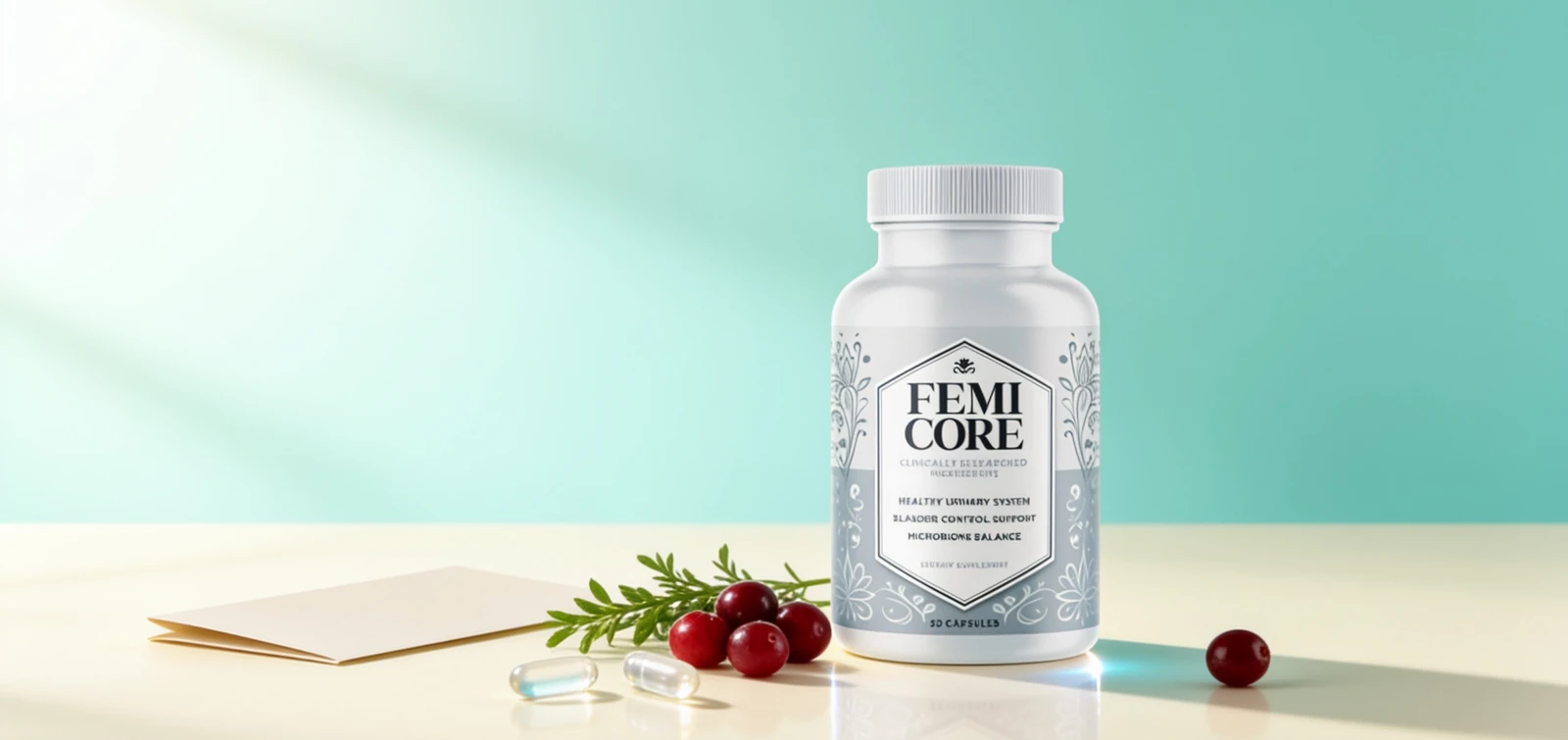
Our #1 Supplement Pick for Menopause: FemiCore
- Why it wins: it targets the urinary microbiome that shifts as oestrogen falls, with cranberry standardized to 30% PACs and five named Lactobacillus strains.
- Best for: women 40+ with urgency, nighttime trips, or recurrent UTIs, especially since menopause.
- Pair it with your doctor’s advice: for tissue changes (GSM), ask about low-dose vaginal oestrogen; a supplement supports, it does not replace that.
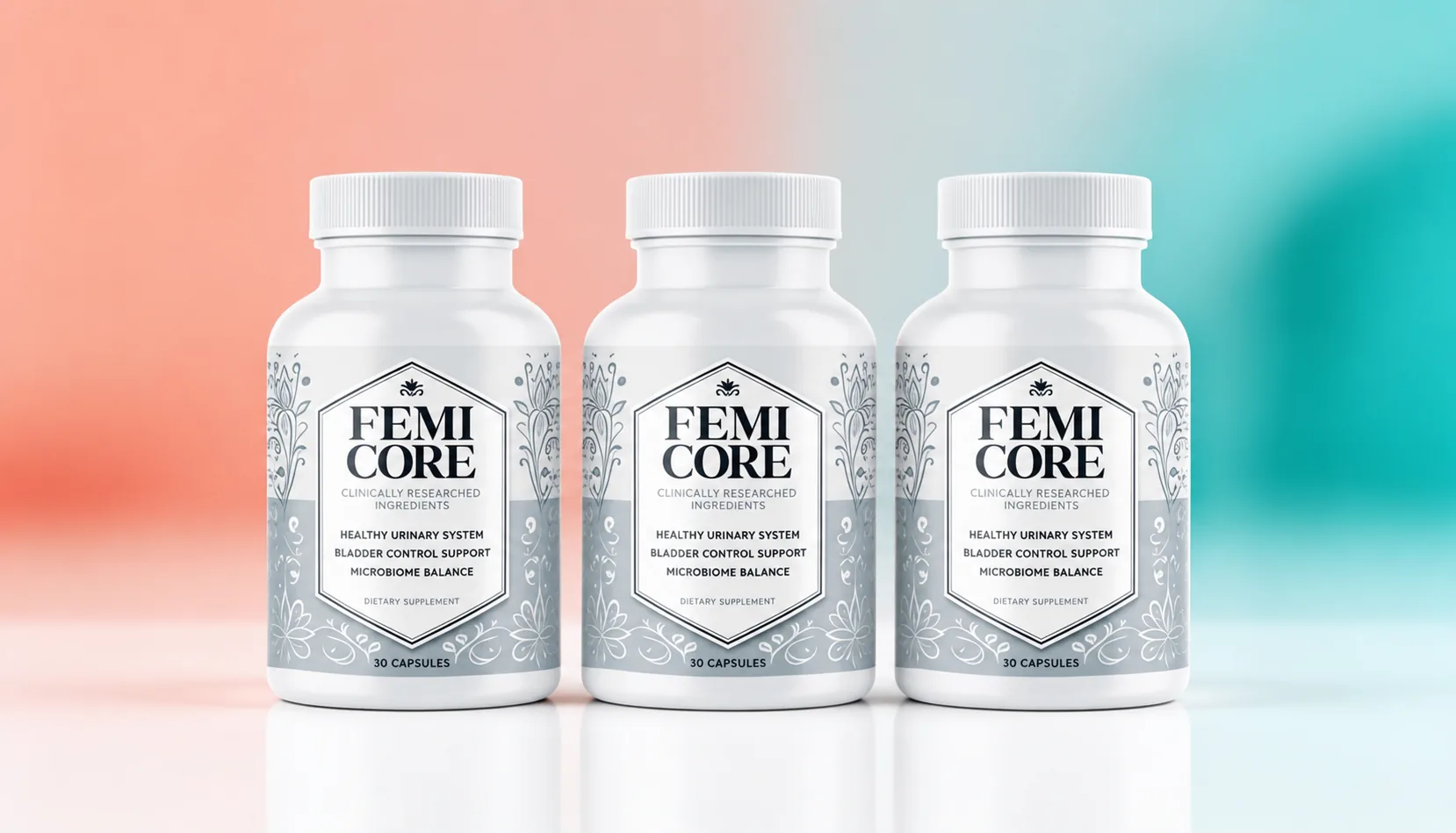
- Best first order: the 3-bottle package, about $2.30 a day, free shipping, 90 days of product.
- Safety net: 60-day money-back guarantee processed by ClickBank, official site only.
FemiCore — our #1 menopause bladder supplement
First, the honest part: what actually causes this
Bladder symptoms that begin in your late forties or fifties usually are not a coincidence of timing. Oestrogen receptors are present throughout the bladder, urethra and vaginal tissue, and as oestrogen falls those tissues become thinner, drier and less elastic. The urethra seals less effectively. The tissue becomes more easily irritated. The vaginal microbiome shifts away from protective lactobacilli, which is a large part of why recurrent urinary tract infections become more common after menopause.
Clinicians group these changes under genitourinary syndrome of menopause. It affects a substantial majority of postmenopausal women, and it is under-treated mostly because women do not raise it and clinicians do not ask. The full picture is in menopause and bladder health.
That mechanism matters for one blunt reason: if the problem is tissue that has thinned from lack of oestrogen, the logical fix is oestrogen in that tissue. No capsule taken by mouth does that.
Why vaginal oestrogen usually beats everything on this list
Low-dose vaginal oestrogen is a prescription treatment applied locally as a cream, tablet or ring. It is not the same as systemic hormone therapy, and the distinction is important: the local form delivers a small dose to the tissue that needs it, with minimal absorption elsewhere.
The evidence separating the two is striking. A Cochrane review found systemic hormone therapy made incontinence worse, while local vaginal oestrogen improved it. That is the same hormone producing opposite results depending on how it is delivered, and it is the reason “should I take HRT for my bladder” has no single answer.
I am not able to prescribe it and I am not your doctor. What I can tell you is that a great many women spend two years and several hundred dollars on capsules without ever having the ten-minute conversation that would have given them the option. Have the conversation first. The American College of Obstetricians and Gynecologists covers what to expect.
Who it does not suit: women with a history of hormone-sensitive cancer or certain other contraindications, women whose doctor advises against it, and women who simply do not want hormones. Those are entirely legitimate positions, and they are exactly who the rest of this article is for.
How we ranked these
Five criteria, in this order: the strength of published evidence behind the key ingredients, formula transparency (full doses listed rather than hidden in a proprietary blend), sensible dosing, the refund guarantee, and overall value. Nobody paid for a position on this list, and where the evidence for our top pick is thin, I say so in its own entry.
| # | Product | Best for | Key ingredients | Guarantee | Rating |
|---|---|---|---|---|---|
| 1 | FemiCore | Best overall, and recurrent UTIs | Cranberry (30% PACs), Mimosa pudica, bearberry, berberine + 5 Lactobacillus strains | 60 days | 4.8 / 5 |
| 2 | Urox-based formulas (e.g. Confitrol24) | Urgency and frequency | Crataeva, horsetail, lindera (840 mg blend) | Varies by seller | 4.4 / 5 |
| 3 | AZO Bladder Control with Go-Less | Drugstore convenience | Pumpkin seed extract + soy germ | Retailer policy | 4.1 / 5 |
| 4 | Siberian rhubarb (ERr 731) products | Broader menopause symptoms | Rheum rhaponticum extract | Varies | 3.9 / 5 |
| 5 | Plain vitamin D | Lowest-cost sensible starting point | Vitamin D3 | n/a | 3.8 / 5 |
| 6 | Standardised cranberry PAC capsules | If UTIs are the real problem | 36 mg+ proanthocyanidins | Varies | 3.7 / 5 |
1. FemiCore — Best Overall
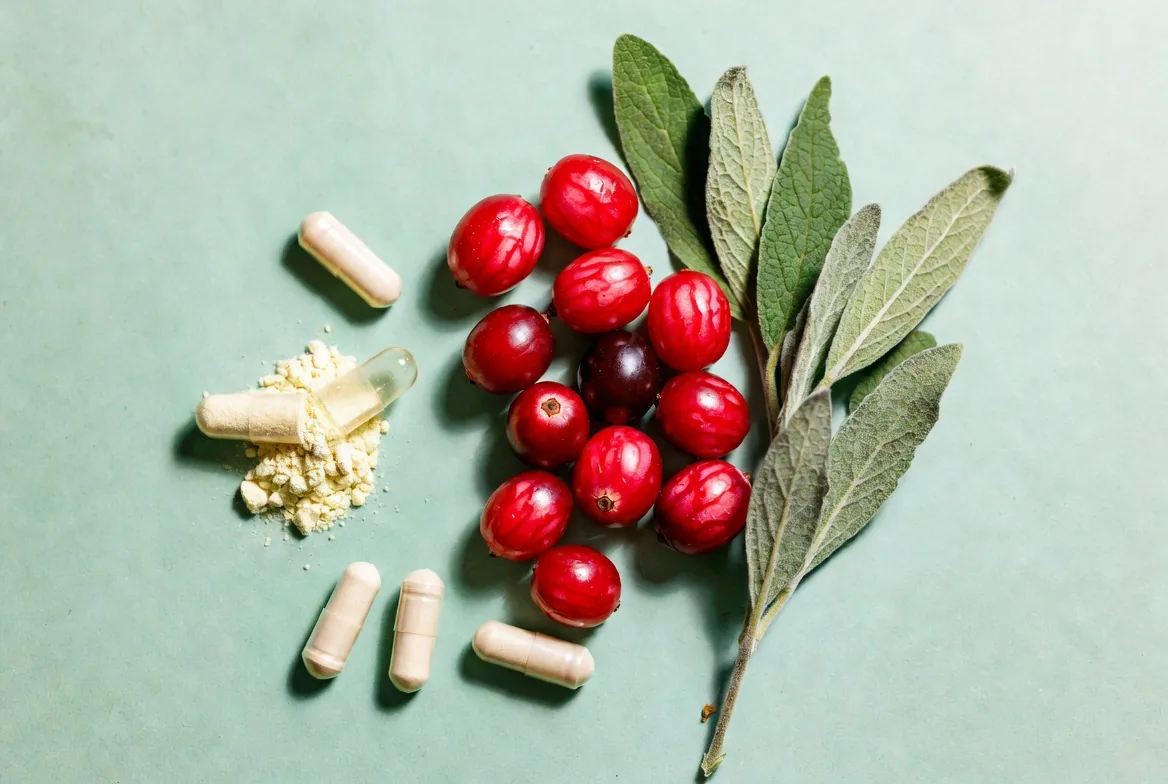
FemiCore is built around the mechanism with the most interesting recent research for postmenopausal women specifically: the urinary microbiome. Rather than betting on one ingredient, it pairs a roughly 350 mg herbal blend (cranberry standardised to 30% proanthocyanidins, Mimosa pudica, bearberry/uva ursi and berberine) with 50 mg of five Lactobacillus strains, including L. crispatus.
The reason that combination earns the top spot on a menopause page is the overlap between the two problems. The loss of protective lactobacilli after menopause is one of the best-documented reasons recurrent UTIs become more common, and it is the same tissue change that drives the dryness and irritation. A formula aimed at the urinary microbiome is aimed at the part of the menopausal picture that a supplement can plausibly influence.
The evidence behind the parts is genuinely decent for that purpose. A 2023 Cochrane review of 50 trials and 8,857 participants found cranberry products reduced recurrent UTI risk by roughly 26% in susceptible women, and L. crispatus has randomised trial support for the same outcome.
Where I will not oversell it: the evidence for the microbiome route is about infection, not about leakage. If your main complaint is urine escaping when you cough or a sudden urge you cannot hold, this is not the mechanism that fixes it, and no amount of enthusiasm on my part changes that. It also uses a proprietary blend total rather than listing every ingredient dose, which is standard practice in the category but does mean you cannot verify each amount.
Pros: targets the mechanism most relevant to postmenopausal urinary change; cranberry dose standardised to PAC content, which is the part that matters; five strains rather than a token single one; 60-day money-back guarantee; no autoship.
Cons: proprietary blend total; evidence is strongest for UTI prevention rather than leakage; sold through the official site rather than in shops.
FemiCore — Our #1 Rated Bladder Health Supplement
Microbiome-targeted formula · 60-day money-back guarantee · GMP-certified facility
Our full FemiCore review goes through the evidence ingredient by ingredient, including who it suits best.
2. Urox-based formulas — Best for urgency and frequency
If your dominant complaint is going too often and getting up at night rather than leaking under pressure, this is the more logical category, and Confitrol24 is the best-known product built on it.
The Urox blend combines Crataeva nurvala, horsetail and Lindera aggregata, and it has the most direct trial evidence of any control-focused ingredient. In a 2018 phase 2 randomised, double-blind, placebo-controlled trial of 150 adults, daytime urination fell to 7.69 a day versus 10.95 on placebo after eight weeks, with nocturia at 2.16 versus 3.14 episodes a night, all at p < 0.01.
The catch, stated plainly: the manufacturer funded that trial, one of the authors is the patent inventor and a company employee, and the phase 3 the authors themselves called for has never been run. Our breakdown of the Urox evidence covers all of it.
Pros: the strongest published numbers for urgency, frequency and nocturia; well tolerated in the trial; dose is disclosed.
Cons: single manufacturer-funded phase 2 study; trial group averaged 63.5 years and was 41% male; nothing for pressure leaks; check interactions if you take diuretics or lithium.
3. AZO Bladder Control with Go-Less — Best drugstore option
The main argument for this one is that you can buy it this afternoon. It combines pumpkin seed extract with soy germ, a pairing with placebo-controlled trial support for urinary symptoms, though as with everything here the research is industry-linked.
Pumpkin seed is a reasonable ingredient with a real trial behind it, covered in pumpkin seed extract for bladder control. The soy germ component brings isoflavones, which is worth knowing about if you have been advised to avoid phytoestrogens. I go deeper in my full AZO Bladder Control review, and if you are choosing between the two, here is how FemiCore and AZO compare.
Pros: widely available, inexpensive, ingredients disclosed, decent tolerability.
Cons: modest evidence; isoflavone content may not suit everyone; retailer return policy rather than a proper guarantee.
4. Siberian rhubarb (ERr 731) — Best if hot flushes bother you more
Rheum rhaponticum extract is marketed for menopause generally, and the urinary claims tend to ride along with the broader symptom research rather than standing on their own. If your bladder is one item on a longer list that includes hot flushes and sleep disruption, it is a reasonable thing to discuss with your doctor.
Pros: addresses menopause symptoms more broadly; standardised extract.
Cons: urinary evidence is secondary rather than primary; acts on oestrogen receptor pathways, so it is not a “hormone-free” option in the way buyers often assume. Ask your doctor if you have a hormone-sensitive history.
5. Plain vitamin D — Best low-cost starting point
Unglamorous and genuinely useful. Vitamin D supports the skeletal muscle of the pelvic floor, low levels are associated with more incontinence in women, and correcting a deficiency has trial support. It costs very little.
The catch is that this only helps if you are actually low, and more is not better. Our guide to vitamins for frequent urination covers the upper limits, because this is the one nutrient here that women reliably overdo.
Pros: cheap, testable, benefits beyond the bladder.
Cons: only helps if deficient; needs a blood test to use intelligently; slow.
6. Standardised cranberry PAC capsules — if UTIs are the real story
If what actually drives you mad is recurrent infection rather than leakage, a standalone standardised cranberry capsule is the cheapest evidence-backed option. The dose is the whole game: a 2024 meta-analysis found benefit only when daily proanthocyanidin intake reached at least 36 mg. Below that, nothing. Juice is largely useless for this. See cranberry pills versus juice.
What to look for on a label
- PAC content stated in milligrams, not just “cranberry 500 mg”. Under 36 mg of PACs a day, the evidence does not support it.
- Named probiotic strains with CFU counts. “Lactobacillus blend” tells you nothing; L. crispatus is the strain with urinary evidence.
- A dose you can compare to a study. If it contains the Urox blend, it should say so and give the milligrams.
- A real guarantee with a stated window, and no autoship enrolment buried in the checkout.
- Third-party testing or GMP manufacturing stated explicitly.
Red flags worth walking away from
- Any claim to treat, cure or prevent incontinence or UTIs. Supplements are not permitted to make disease claims, and a company willing to break that rule is telling you what it thinks of the other rules.
- Perfect ratings from implausible review counts. The FTC’s 2024 rule on fake reviews exists because this is rampant in the category.
- “Doctor recommended” with no named doctor.
- Countdown timers and 90%-off pricing. Manufactured urgency is not a discount.
- Marketplace listings using a familiar brand name. Copycat products with near-identical names are common; buying from the official source avoids the problem.
Do bladder supplements actually work for menopausal symptoms?
Partially, modestly, and for some symptoms and not others. That is the truthful answer and I would rather give it to you than a better-sounding one.
They have the most to offer if recurrent UTIs are your problem, where the cranberry and lactobacillus evidence is real. They have something modest to offer for urgency and frequency, where Urox and pumpkin seed each have one decent trial. They have essentially nothing to offer for leaks triggered by coughing, sneezing or lifting, which are a pelvic floor problem and respond to pelvic floor training, not to capsules. And none of them restore tissue thinned by low oestrogen.
Give any product eight to twelve weeks with a three-day bladder diary at the start and end. Change one thing at a time. If nothing has moved by then, that is a real answer and it is more useful than another month of hoping.
FemiCore — Our #1 Rated Bladder Health Supplement
Microbiome-targeted formula · 60-day money-back guarantee · GMP-certified facility
Key Takeaways
- Ask about low-dose vaginal oestrogen first. For genitourinary syndrome of menopause it has better evidence than any supplement here, and local delivery behaves very differently from systemic HRT.
- FemiCore is our top supplement pick because the urinary microbiome is the part of the menopausal picture a supplement can plausibly influence.
- Match the product to your symptom. UTIs point to cranberry and lactobacilli; urgency and frequency point to Urox or pumpkin seed; pressure leaks point to pelvic floor work, not a bottle.
- Cranberry only works at 36 mg or more of PACs daily, and juice does not count.
- Every control-focused ingredient here rests on one industry-funded trial. Interesting, not proven.
- Give it 8 to 12 weeks and a bladder diary, and change one variable at a time.
Frequently Asked Questions
What is the best supplement for menopause bladder problems?
We rate FemiCore best overall for its urinary-microbiome formula, which targets the tissue and bacterial changes most relevant after menopause. If urgency and frequency dominate rather than infection, a Urox-based formula has the most direct trial evidence. Neither replaces vaginal oestrogen for genitourinary syndrome of menopause.
Can supplements replace vaginal oestrogen?
No. Vaginal oestrogen addresses the underlying tissue thinning caused by falling oestrogen, which no oral supplement does. Supplements can support urinary comfort and microbiome balance alongside it. Discuss the options with your doctor rather than choosing between them alone.
Why did my bladder problems start at menopause?
Oestrogen receptors are present throughout the bladder and urethra, and falling oestrogen thins and dries those tissues while shifting the protective vaginal microbiome. That combination increases urgency, frequency and susceptibility to urinary tract infections. It is called genitourinary syndrome of menopause.
How long before a bladder supplement works?
Allow 8 to 12 weeks. The cranberry and probiotic research measures over months, the Urox trial reported at 8 weeks, and the saw palmetto study ran 12 weeks. Keep a three-day bladder diary before and after so you are comparing records rather than memory.
Are bladder supplements safe with my other medications?
Often, but not always. Berberine can interact with blood sugar medication, cranberry with warfarin, horsetail with diuretics and lithium, and saw palmetto with blood thinners. Take your full list to a pharmacist before starting anything.
Will a supplement stop me leaking when I cough or laugh?
No. That is stress incontinence, caused by pelvic floor strength and timing, and it responds to pelvic floor training rather than to any ingredient here. Start by identifying which type of incontinence you have.
The Bottom Line
If you take one thing from this page, make it the first section rather than the rankings. The most effective option for menopausal bladder symptoms is a prescription that costs less than most of the bottles on this list, and the reason you have not heard much about it is that nobody runs ads for it.
Once you have had that conversation, supplements have a real if modest role. FemiCore is our pick because it targets the microbiome shift that menopause actually causes, and because a 60-day guarantee means an honest trial costs you time rather than money. A Urox-based formula is the better fit if urgency is your dominant complaint.
What none of them will do is rebuild a pelvic floor or replace oestrogen in thinned tissue. Do the unglamorous work alongside whatever you take, and judge the bottle at twelve weeks with a diary rather than a feeling.
— Ellen Bennett
 Ellen Bennett, Women’s Health Researcher. More about Ellen →
Last Reviewed: September 2026 by Ellen Bennett, Women’s Health Researcher. Sources: Cochrane, ACOG, NIDDK, PubMed Central, FTC, Urology Care Foundation.