
Published on August 25, 2026 — by Ellen Bennett, Women’s Health Researcher
Medical & Affiliate Disclosure: This article is for educational purposes only and is not medical advice. Always consult your doctor. Some links are affiliate links; if you buy through them we may earn a commission at no extra cost to you.
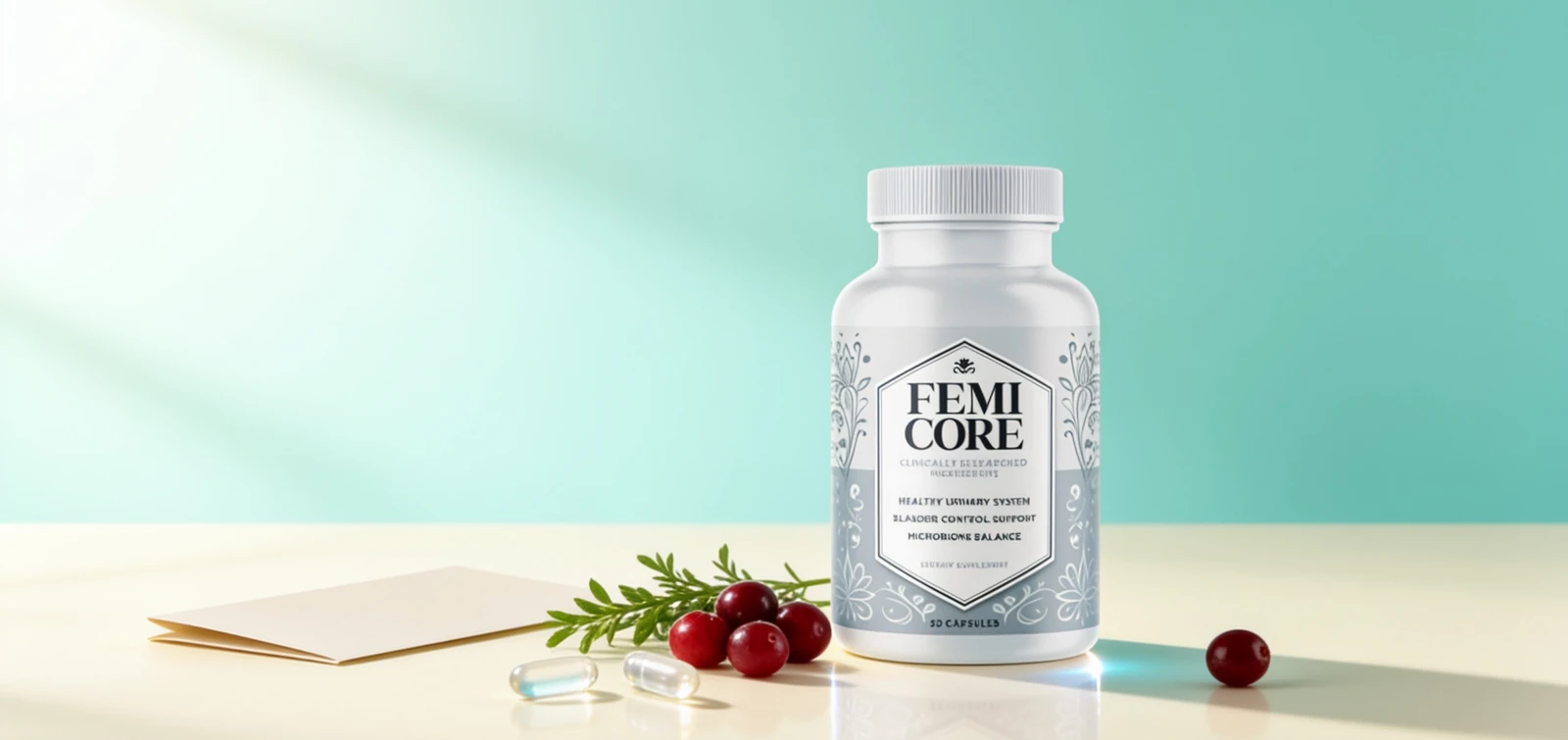
FemiCore vs pHemmePure comes up constantly, and every page I found comparing them was really just selling one of the two. So I put the labels side by side, checked each ingredient against the published research, and worked out what actually separates them. The short version is that they are not really competing on the same problem, and knowing which problem you have decides this for you.
Quick Answer: FemiCore is a microbiome-targeted formula pairing a 350 mg herbal blend with five named Lactobacillus strains; pHemmePure is a four-ingredient blend built on d-mannose with a 90-day guarantee. Which one should you choose? FemiCore discloses its blend amounts and names its strains, which makes it the more evaluable product, and its cranberry is standardized to 30% PACs. pHemmePure offers the longer refund window. Neither treats incontinence, and a 2024 trial of 598 women in JAMA Internal Medicine found d-mannose did not prevent recurrent UTIs.
What Is FemiCore?
FemiCore is a once-daily capsule built around the urinary microbiome, which is the most interesting recent idea in this category. The premise is that the urinary tract has its own bacterial community, that it is normally dominated by protective Lactobacillus species, and that this protection erodes with age and after menopause.
The formula is a roughly 350 mg herbal blend — cranberry standardized to 30% proanthocyanidins, bearberry, Mimosa pudica and berberine — plus a 50 mg probiotic blend with five named Lactobacillus strains. One capsule a day, GMP-certified US facility, 60-day money-back guarantee, sold through the official site. I went through it in depth in my full FemiCore review.
What Is pHemmePure?
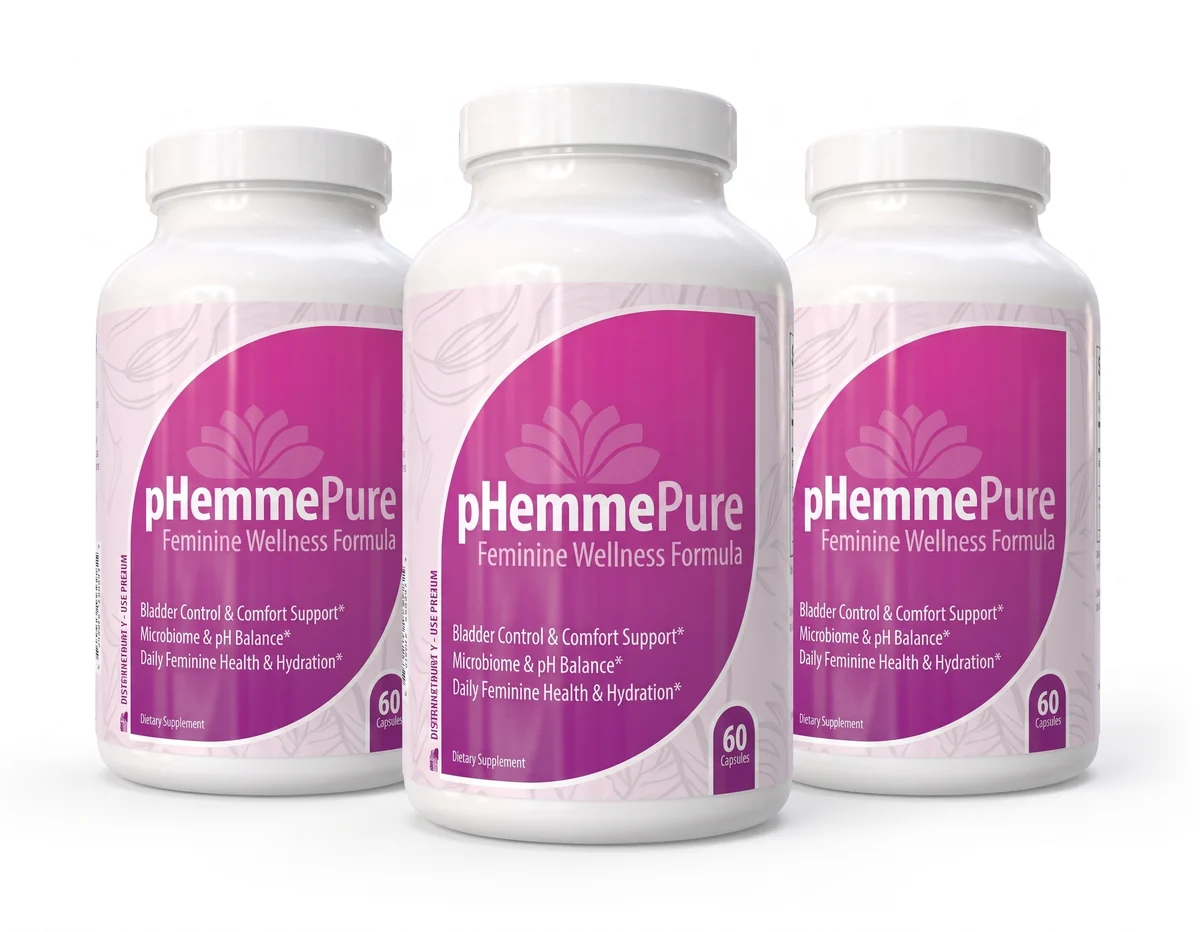
pHemmePure takes a simpler and older approach: flush the bacteria rather than reshape the bacterial community. It is four ingredients — d-mannose, cranberry extract, dandelion and hibiscus — taken as two capsules daily with water.
It sells for $69 a bottle plus $7 shipping, dropping to $49 a bottle on the six-bottle bundle, through phemmepure.com. The guarantee is 90 days, which is the longest in this category and genuinely worth something. My full breakdown is in pHemmePure reviews and complaints.
How I Compared Them
Most FemiCore vs pHemmePure pages you will find are affiliate pages for one of the two, which means the conclusion was written before the comparison was. So it is fair to tell you my method and my bias up front.
I weighed four things, in this order. First, what each label actually discloses, because an ingredient you cannot quantify is an ingredient you cannot assess. Second, the strength of the published research behind each named ingredient, at the dose the product plausibly delivers rather than the dose used in the trial. Third, whether the formula fits the problem most buyers are actually trying to solve. Fourth, the commercial terms — price, guarantee, how hard it is to get your money back.
My bias: I rate FemiCore highly elsewhere on this site and I earn a commission if you buy it. That is disclosed at the top of every page here, and it is the reason I try to make these comparisons falsifiable. Every claim below points at a named study or a stated label figure, so you can check my work rather than trust my tone.
What I could not do is test them head to head on myself. Nobody honestly can. A supplement trial in one person, with no control and no blinding, tells you about that person’s month, not about the product.
Key Differences at a Glance
| FemiCore | pHemmePure | |
|---|---|---|
| Core idea | Reshape the urinary microbiome | Flush bacteria from the bladder wall |
| Headline ingredient | Five Lactobacillus strains | D-mannose |
| Blend amounts stated | Yes (350 mg herbal + 50 mg probiotic) | No |
| Probiotic strains named | Yes, all five | No probiotic |
| Cranberry standardized | Yes, 30% PACs | Not stated |
| Contains a diuretic | No | Yes (dandelion) |
| Capsules per day | 1 | 2 |
| Guarantee | 60 days | 90 days |
| Where sold | Official site only | Official site only |
Ingredient Comparison
What they share: cranberry
Both formulas contain cranberry, and it is the ingredient with the strongest evidence in either bottle. A 2023 Cochrane review of 50 trials covering 8,857 participants found cranberry products cut the risk of recurrent UTIs by roughly a quarter in women prone to them. That is a real, modest, well-replicated effect.
But cranberry is not one thing. The active compounds are proanthocyanidins, and the threshold matters: pooled data from 10 randomized trials found cranberry cut UTI risk by 18% only once daily proanthocyanidin intake reached at least 36 mg (RR 0.82, 95% CI 0.69 to 0.98), with no significant effect below it (PubMed 39668896). FemiCore states standardization to 30% PACs. pHemmePure says “cranberry extract” without a PAC figure, which tells you the weight of powder rather than the dose of the compound that does the work. That difference is the single cleanest reason to prefer one label over the other, and I explain the standardization trap in does cranberry actually work for UTIs.
What only pHemmePure has: d-mannose, dandelion, hibiscus
D-mannose is a simple sugar that appears to stop E. coli adhering to the bladder wall. The mechanism is elegant and the early small studies were encouraging. Then the definitive trial arrived. The MERIT study, published in JAMA Internal Medicine in 2024, randomized 598 women with recurrent infections across 99 UK primary care centres to 2 grams of d-mannose daily or placebo for six months. 51.0% of the d-mannose group still had a medically attended UTI against 55.7% on placebo, p = 0.26. It did not prevent recurrent UTIs.
There is a second problem underneath that one. pHemmePure is two capsules covering four ingredients, so the d-mannose portion cannot approach the 2 grams used in research. Two capsules hold roughly 1 to 1.5 grams of powder in total. The arithmetic does not allow a research-level dose, and the label does not disclose what the dose actually is.
Dandelion is a diuretic. That is its best-documented property, and it deserves a moment of thought rather than a shrug. A diuretic increases urine volume and how often you go. If your goal is fewer bathroom trips, this ingredient is working against you. If your goal is flushing an infection risk, it is arguably on purpose. Nobody selling this product explains which one you are buying.
Hibiscus has laboratory antibacterial activity and long traditional use, and very little human trial data in this application.
What only FemiCore has: probiotics, bearberry, Mimosa pudica, berberine
The five Lactobacillus strains are the reason the product exists. A healthy vaginal and urinary environment is dominated by these bacteria, and that dominance falls away after menopause. L. crispatus in particular has randomized-trial support for reducing recurrent UTIs. Naming the strains matters, because probiotic research is strain-specific: a blend listed only in milligrams tells you the weight of the powder, not which organisms arrive or how many.
Bearberry (uva ursi) has traditional use and a real safety wrinkle — it contains hydroquinone precursors, which is why it is meant for short-term rather than indefinite use. Berberine has genuine research behind it, mostly for blood sugar, and it is also the ingredient most likely to interact with medication. If you take anything for diabetes or blood pressure, that is a pharmacist conversation. I cover it in FemiCore side effects and interactions. Mimosa pudica is the thinnest of the four on evidence.
What the Clinical Evidence Actually Supports
Here is the part both companies would rather you skimmed.
Neither product has been studied as a finished formula. Not one trial on FemiCore, not one on pHemmePure. Everything either company can honestly claim rests on research into individual ingredients, usually at doses and in populations that may not match what is in the capsule. This is normal for the supplement category and it is not evidence of bad faith. It is a limit you should price in. That is true of almost every brand here, with one instructive exception I examine in FemiCore vs Confitrol24.
Where the ingredient evidence genuinely points:
| Goal | Evidence strength | Which product |
|---|---|---|
| Preventing recurrent UTIs | Moderate (Cochrane 2023, cranberry; strain-specific probiotic trials) | Both, edge to FemiCore on standardization |
| Stopping leaks or incontinence | None | Neither |
| Reducing urgency or frequency | Very weak | Neither; dandelion may work against it |
| Treating an active infection | None — this needs a doctor | Neither |
If you came here hoping one of these stops leaking, I would rather disappoint you now than take your money. Leaks respond to pelvic floor training, weight and fluid management, and addressing menopause-related tissue changes. That roadmap is in our complete guide to bladder leaks.
Price and Value
| pHemmePure | FemiCore | |
|---|---|---|
| Single bottle | $69 + $7 shipping | See current pricing |
| Best bundle rate | $49/bottle (6 bottles, $294) | Discounted on multi-bottle bundles |
| Capsules per day | 2 | 1 |
| Guarantee | 90 days | 60 days |
On pure refund generosity, pHemmePure wins and it is not close. Ninety days is roughly the length of a fair trial for ingredients like these, and sixty is slightly short of it. That is a legitimate point in its favor. A third brand pushes that generosity even further, to 90 days on a weaker formula, which I weigh in FemiCore vs Bladder Relief 911.
On what you are buying, I read it the other way. You can compare FemiCore’s 350 mg herbal blend and 30% PAC standardization against published research. You cannot do that with an undisclosed blend, no matter how long the refund window is. A guarantee protects your money; a label protects your judgment.
FemiCore — Our #1 Rated Bladder Health Supplement
350 mg herbal blend · Cranberry standardized to 30% PACs · Five named Lactobacillus strains · 60-day money-back guarantee
What Real Users Report About Each
Both products are sold direct only, and that has a consequence people underestimate: there is no independent review pool for either. No verified-purchase listings, no pharmacy ratings, no retailer with an incentive to police fake feedback. What circulates is testimonials on each seller’s own site plus affiliate pages quoting them. Treat every star rating you see on either product as marketing until proven otherwise.
Both also post ratings that do not survive scrutiny. pHemmePure is promoted with a 4.92 out of 5. FemiCore has been promoted with a 4.96 out of 5 across 19,263 reviews. Products with thousands of real buyers land between 4.1 and 4.5, because real groups contain the woman whose order arrived late and the woman who felt nothing. Two competing products in one small category both clearing 4.9 tells you about the category’s marketing norms, not about the products.
Filtering for themes rather than scores, the recurring patterns are consistent with the ingredient lists. For both, the more positive accounts come from women dealing with recurrent infections, which fits, since that is where cranberry has trial support. For both, women who came for leaking report little, which also fits, since neither formula targets it. And for pHemmePure specifically, a subset report going to the bathroom more rather than less — exactly what the dandelion would predict.
The other shared theme is timing. Accounts describing something useful almost always mention six to twelve weeks. Accounts describing nothing usually stopped inside a month. That gap explains a great deal of the “it did not work” verdict on both sides.
Side Effects and Who Should Be Careful
Both are generally well tolerated in healthy adults, and both carry specific cautions worth naming.
With pHemmePure, the dandelion is the one to watch. If you already take a prescription diuretic, or you have kidney disease or blood pressure managed with medication, adding a botanical diuretic is a pharmacist conversation before it is a purchase. Dandelion can also be a problem for people with ragweed allergy, since they are in the same plant family.
With FemiCore, berberine is the one to watch, because it can affect blood sugar and interacts with a meaningful list of medications. Bearberry is not intended for long-term continuous use. And any probiotic warrants a check with your doctor if you are immunosuppressed.
Both share the caution that matters most: if you have burning, fever, back pain or blood in your urine, that is an active infection and it needs medical care. The NIDDK guidance on bladder infections is clear that delay carries real risk, and no capsule is a substitute.
One Risk Both Products Share
Because both are sold direct only, both attract impostor sites, and this is a practical problem rather than a theoretical one. Searching either brand name turns up multiple pages presenting themselves as the “official website,” on domains that are not the manufacturer’s. For FemiCore alone I found several separate sites all claiming official status, each with its own checkout.
The risk is not only counterfeit product. It is that a refund guarantee is only worth something if you bought from the party that honors it. A 90-day promise on a bottle you purchased from an unrelated domain is not a promise anyone owes you, and that is how women end up with no product improvement and no money back.
Two habits protect you. Reach the checkout through the manufacturer’s own domain rather than through a link in a review page you do not recognize, and check your card statement descriptor after purchase so you know who actually billed you. If the descriptor names a payment processor, that alone is normal for this category — but it should be a processor you can trace back to the seller. I walk through how to tell the genuine sites from the impostors in how to spot the fake FemiCore websites.
Who Should Choose FemiCore
- You want to know what is in the capsule and how much, in milligrams
- Your interest is the microbiome angle, especially post-menopause when protective Lactobacillus declines
- You want cranberry with a stated PAC standardization rather than unspecified powder
- Urgency or frequency is part of your picture and you do not want a diuretic in the mix
- One capsule a day suits you better than two
Who Should Choose pHemmePure
- The 90-day refund window is worth more to you than label transparency
- You specifically want d-mannose in the formula and have decided the MERIT result does not change your mind
- Recurrent infection is your only concern, and leaks and urgency are not
- You do not take a diuretic or have kidney or blood pressure conditions
Final Verdict
FemiCore, 4.2 out of 5. pHemmePure, 3.4 out of 5.
FemiCore takes it, and the reason is narrower than the score suggests. It is not that its ingredients are proven and the other’s are not — neither product has been tested as a finished formula, and both are trading on ingredient research. It wins because it tells you what is inside. Stated blend amounts, named strains, a standardized cranberry figure you can hold against Cochrane. That is what lets you make a decision instead of taking a promise.
pHemmePure earns real credit for the 90-day guarantee and loses more than it gains on the undisclosed doses, the diuretic that works against a common reason for buying, and a lead ingredient that failed the best trial ever run on it.
The honest caveat on both: these are supporting players. If your problem is leaking, the pelvic floor work is the thing that moves the needle, and no capsule replaces it.
Key Takeaways
- Different problems. FemiCore targets the urinary microbiome; pHemmePure aims to flush bacteria. Neither addresses incontinence.
- FemiCore discloses, pHemmePure does not. Stated blend amounts and named strains against an undisclosed four-ingredient formula.
- D-mannose failed MERIT. 598 women, JAMA Internal Medicine 2024, no reduction in recurrent UTIs.
- Dandelion is a diuretic, which sits oddly against urgency and frequency complaints.
- pHemmePure wins the guarantee, 90 days against 60.
- Cranberry is the shared ingredient with real support, but only if standardized to PACs.
Frequently Asked Questions
Is FemiCore or pHemmePure better for bladder leaks?
Neither. There is no evidence that either formula reduces urinary leakage, and d-mannose has never been studied for incontinence at all. Leaks respond to pelvic floor training, weight and fluid management, and menopause-related treatment.
Can I take FemiCore and pHemmePure together?
I would not, and not because of a known dangerous interaction. You would be doubling cranberry, paying twice, and losing any ability to tell which product did anything. If you are considering it, ask your pharmacist, particularly given berberine and dandelion.
Which has the better guarantee?
pHemmePure, clearly: 90 days against FemiCore’s 60. Both require you to act inside the window, and both typically expect bottles returned, so keep the packaging.
Why does the d-mannose dose matter so much?
Because research uses 2 grams a day, and two capsules holding four ingredients cannot contain that much. Without disclosed amounts you cannot know what you are taking or compare it to any study.
Is either one sold on Amazon?
Both are sold through their official sites. Look-alike listings with near-identical names do appear on marketplaces, which is how women end up reviewing a product they never actually took. Our FemiCore complaints breakdown covers that pattern.
Do either of these work for an active UTI?
No. An active urinary tract infection is an infection and usually needs antibiotics. Burning, fever, back pain or blood in the urine means a doctor, not a supplement.
The Bottom Line
FemiCore vs pHemmePure is less a contest between two formulas than a choice about how much you are willing to buy blind. One tells you its blend amounts, names its five strains and standardizes its cranberry. The other offers thirty extra days to change your mind about a formula it will not itemize.
I would take the label over the refund window, and I would take neither if what brought you here is leaking rather than infection. The most useful thing you can do before spending $69 is write down three days of honest notes about your own pattern — trips, leaks, nights. Knowing which problem you actually have settles this comparison faster than any review, including this one.
— Ellen Bennett
 Ellen Bennett, Women’s Health Researcher. More about Ellen →
Want the formula that names its doses?
FemiCore lists its herbal blend amount, standardizes cranberry to 30% PACs, and names all five probiotic strains
Last Reviewed: August 2026 by Ellen Bennett, Women’s Health Researcher. Sources: JAMA Internal Medicine (MERIT, 2024), NIHR, Cochrane (2023), NIDDK, Urology Care Foundation.