
Published on August 24, 2026 — by Ellen Bennett, Women’s Health Researcher
Medical & Affiliate Disclosure: This article is for educational purposes only and is not medical advice. Always consult your doctor. Some links are affiliate links; if you buy through them we may earn a commission at no extra cost to you.
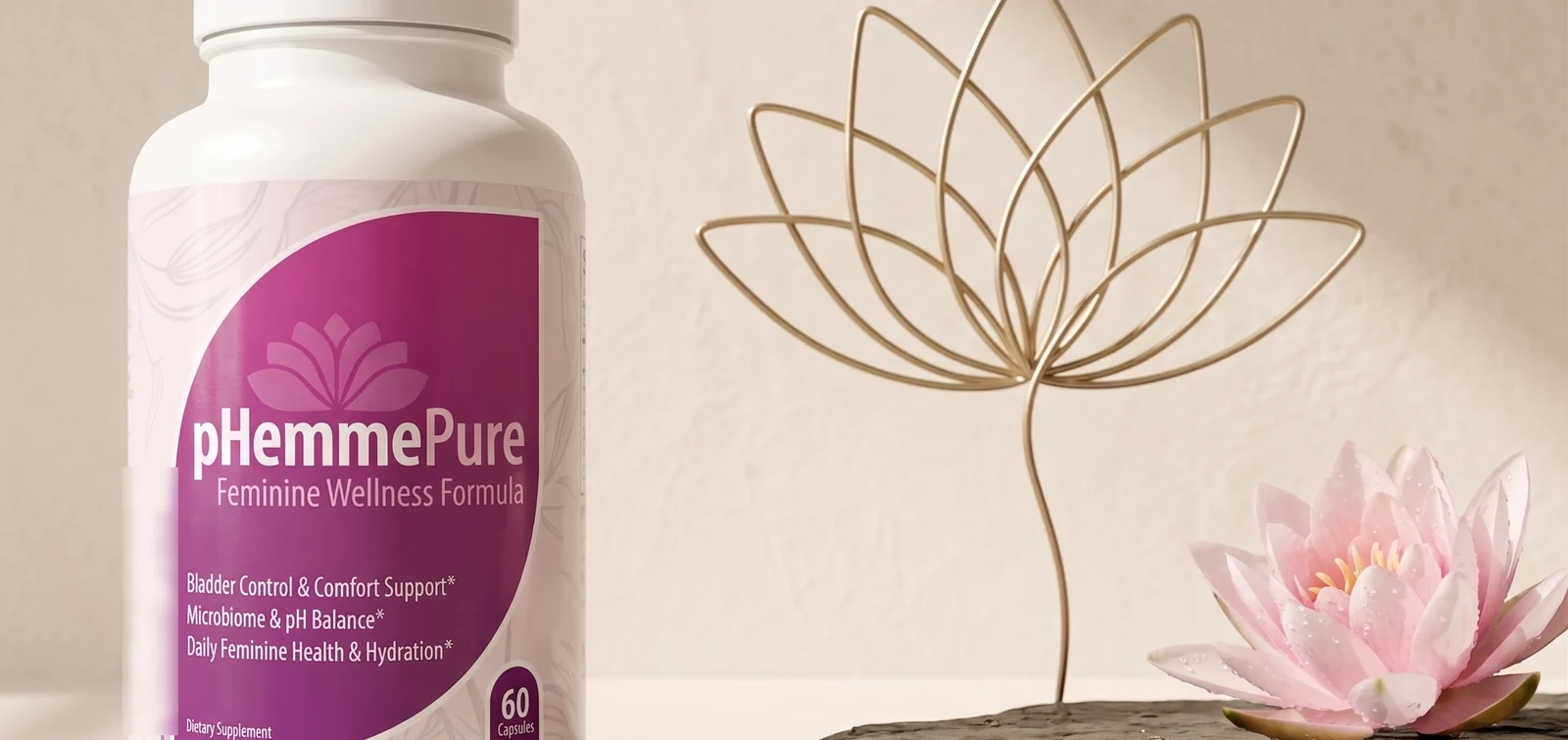
If you have been looking into pHemmePure, you have probably noticed the same thing I did: every page reads like it was written by someone who never opened the label. The praise is identical, the star ratings are suspiciously round, and nobody names a single dose. So I went through the pHemmePure reviews and complaints the slow way, checked all four ingredients against the published research, and found two things that change how the product should be read.
Quick Answer: pHemmePure is a four-ingredient urinary support supplement built on d-mannose, cranberry, dandelion and hibiscus, sold only through its official site at $69 a bottle with a 90-day refund window. Is pHemmePure legit or a scam? It appears to be a real product from a real company, not a scam, but the marketing outruns the evidence badly: its headline ingredient failed the best trial ever run on it. A 2024 randomized trial of 598 women published in JAMA Internal Medicine found d-mannose did not prevent recurrent UTIs.
What Is pHemmePure, Exactly?
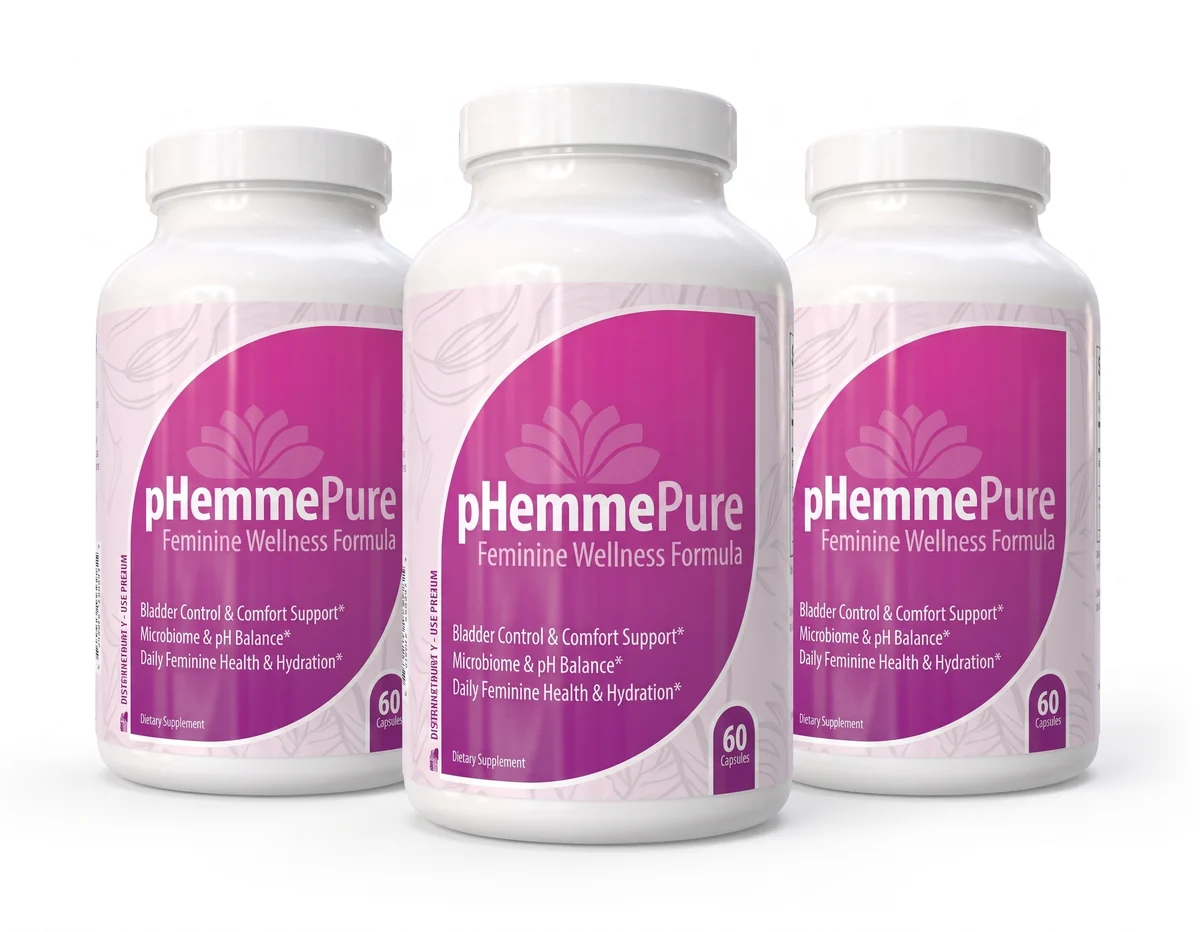
pHemmePure is a daily capsule marketed to women for urinary comfort and feminine pH balance. The recommended dose is two capsules with six to eight ounces of water, and it is sold direct-to-consumer through phemmepure.com rather than through pharmacies or retail.
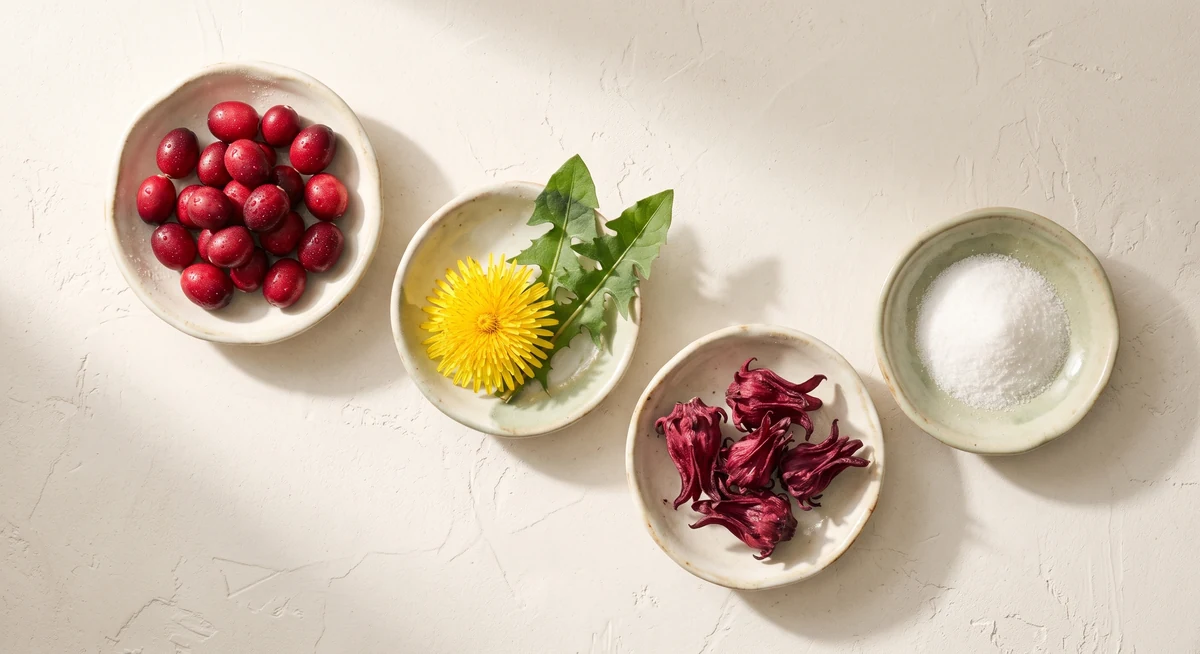
The formula is unusually short, which I actually like. Four ingredients means you can evaluate it honestly instead of squinting at a proprietary blend of nineteen things. Those four are d-mannose, cranberry extract, dandelion and hibiscus.
The marketing leans on “flushing unwanted bacteria” and “supporting a stable internal environment.” That is structure-function language, and it is legal, but it is doing a lot of quiet work. Flushing bacteria is a UTI story. Most women arriving at a bladder supplement are not thinking about infection. They are thinking about leaks, urgency and the number of times they got up last night. Those are different problems, and the distinction matters more than anything else on this page.
Why “pHemmePure Complaints” Searches Are Climbing
Search interest in the complaints angle usually spikes for one of three reasons, and it helps to know which one you are in.
The first is the affiliate wave. When a supplement launches an aggressive affiliate program, dozens of near-identical review pages appear within weeks. Readers sense the sameness, get suspicious, and start searching for the negative side deliberately. That is a healthy instinct.
The second is the price. At $69 for a month, this sits at the premium end of a category where a bottle of plain cranberry costs under $20. People who spend that much research harder afterward.
The third is the gap between expectation and result. If the marketing implies your bladder will settle down and week three arrives with nothing changed, “complaints” is the natural next search. I have done it myself with products I bought.
The Four Ingredients, and What the Evidence Actually Says
D-Mannose: the headline ingredient with the worst news
D-mannose is a simple sugar that appears to stop E. coli from sticking to the bladder wall, so the bacteria get flushed out instead of settling in. The mechanism is genuinely elegant, and for years the small studies looked encouraging.
Then the good trial arrived, and almost no review page will tell you about it. The MERIT study, published in JAMA Internal Medicine in 2024, was a double-blind, placebo-controlled randomized trial run across 99 primary care centres in the UK. It enrolled 598 women with a real history of recurrent infection, gave them 2 grams of d-mannose daily or a matching placebo, and followed them for six months.
The result: 51.0% of the d-mannose group still had a medically attended UTI against 55.7% on placebo — a gap of 5 percentage points with a confidence interval running from −13% to +3% and a p value of 0.26. In plain terms, small enough to be chance. D-mannose did not prevent recurrent UTIs.
That is the single best piece of evidence that exists on this ingredient, and it is negative. I walk through what it means in detail in d-mannose and bladder leaks, including the more important point for most readers: d-mannose has never been studied for incontinence at all. Not weakly studied. Not studied.
Cranberry: the one with real support
Cranberry is the ingredient here I would defend. A 2023 Cochrane review of 50 trials covering 8,857 participants concluded that cranberry products reduced the risk of recurrent UTIs by roughly a quarter in women prone to them. That is a modest, real effect from a large and careful body of work.
The catch is standardization. The active compounds are proanthocyanidins, and the dose is not optional. A systematic review pooling 10 randomized trials found cranberry cut UTI risk by 18% only when daily proanthocyanidin intake reached at least 36 mg (RR 0.82, 95% CI 0.69 to 0.98); below that threshold the effect was not statistically significant (PubMed 39668896). A label that says “cranberry extract” without a PAC number tells you the weight of the powder, not the dose of the thing that works. I go through that distinction in whether cranberry actually works for UTIs.
Dandelion: the ingredient that deserves a hard question
This is the part I did not expect, and it is the most useful thing on this page.
Dandelion is a diuretic. That is its best-documented traditional use, and it is not subtle — the French common name for the plant translates roughly to “wet the bed.” A diuretic increases urine volume and, with it, how often you need to go.
Now hold that next to who buys this product. If your problem is recurrent infection, more flushing is arguably the point. But if your problem is urgency, frequency, or getting up three times a night, you have just bought a capsule containing something that increases urine output. Nobody in the top ten results raises this. It is not a scandal and it does not make the product dangerous, but you deserve to know it is in there before you spend $69.
Hibiscus: traditional use, thin research
Hibiscus shows antibacterial activity in laboratory work and has a long history in traditional use for urinary complaints. Human trials in this specific application are scarce. It is reasonable as a supporting ingredient and unreasonable as a selling point.
The Dose Problem Nobody Mentions
Here is the arithmetic that the review pages skip.
The MERIT trial used 2 grams of d-mannose a day. pHemmePure is two capsules a day, and those two capsules also have to hold cranberry, dandelion and hibiscus. A standard capsule holds somewhere in the range of 500 to 750 mg of powder, so two capsules gives you very roughly 1 to 1.5 grams total across all four ingredients.
The d-mannose portion cannot be anywhere near 2 grams. It is arithmetically impossible.
And I cannot tell you what it actually is, because the individual doses are not disclosed. That is the real complaint I would file against this product, and it is not about honesty or safety — it is that you are being asked to spend $828 a year on a formula you are not allowed to evaluate.
| Ingredient | Evidence in women | Studied dose | Dose disclosed here? |
|---|---|---|---|
| D-mannose | Failed the best trial (MERIT, 2024); never studied for leaks | 2 g/day | No |
| Cranberry | Cochrane 2023: ~26% fewer recurrent UTIs | ~36 mg PACs/day | No |
| Dandelion | Diuretic; increases urine output | Not established | No |
| Hibiscus | Lab antibacterial activity; little human data | Not established | No |
The 4.92-Star Problem
Several pages promoting pHemmePure cite a rating of 4.92 out of 5.
Sit with that number. Real products with thousands of buyers land between 4.1 and 4.5. They collect the woman whose package arrived late, the woman who felt nothing, the woman who wanted her money back. A 4.92 average means almost nobody in a very large group had an ordinary, mildly disappointing experience — which is not how human beings buy supplements.
I found the identical pattern investigating a competing product, where the claimed figure was 4.96 out of 5. When two rival supplements in the same small category both post ratings that a Nobel laureate’s memoir would not earn, the ratings are the marketing, not the feedback.
Who Is Actually Writing These pHemmePure Reviews?
I looked at who ranks for this product, and the pattern is worth describing plainly, because it explains why every page agrees with every other page.
The front page is press releases distributed through newswire services, plus a cluster of sites whose domains sound clinical but whose business is affiliate content. There are review pages on domains belonging to medical practices with no connection to urology or women’s health. There is no independent consumer publication, no urology body, no health system.
None of that proves the product is bad. It does mean the consensus you are reading is not a consensus. It is one commission structure, reflected in twenty mirrors.
The Legitimate pHemmePure Complaints
1. “The individual doses are not listed”
Valid, and the one I would rank first. Without per-ingredient amounts you cannot compare it to the research or to a cheaper alternative.
2. “It is expensive for what it is”
Valid. $69 plus $7 shipping for a month, against roughly $15 to $25 for a standardized cranberry supplement with a stated PAC number. You are paying for the blend and the convenience.
3. “Nothing happened in the first few weeks”
Common and expected. Microbiome and urinary-tract ingredients are studied over eight to twelve weeks, not days. It is a real disappointment, but it is a marketing failure rather than a product failure.
4. “It is only sold on the official website”
Valid as an inconvenience. Direct-only distribution does reduce counterfeits, which is a genuine benefit, but it also means no independent retailer review pool and no price competition. That trade-off is worth understanding before you buy anything direct, and it follows the same logic as checking that a seller page is genuine.
5. “I am going to the bathroom more, not less”
This one deserves respect rather than dismissal, and see the dandelion section above. If your goal was fewer trips, a diuretic in the formula is a plausible explanation.
Complaints That Are Actually Misunderstandings
“It did not clear my infection.” No supplement treats an active urinary tract infection. If you have burning, fever, back pain or blood in your urine, that is a doctor and likely antibiotics, not a capsule. The NIDDK guidance on bladder infections is clear on this, and delay carries real risk.
“It did not stop my leaking.” It was never likely to. Nothing in this formula has evidence for incontinence. Leaks respond to pelvic floor training, weight and fluid management, and addressing menopause-related tissue changes. Our complete guide to bladder leaks lays out what actually has support.
“I did not recognize the charge on my statement.” Direct-to-consumer supplements frequently bill through a payment processor whose name differs from the brand. Check the descriptor before disputing.
What Real Users Actually Report
Aggregating pHemmePure reviews honestly is hard, and I want to be upfront about why: there is no independent retailer review pool. No Amazon listing full of verified purchases, no pharmacy ratings. What exists is testimonials on the seller’s own site and comments scattered across affiliate pages, and neither is a clean sample.
With that caveat, the themes that recur are consistent with the ingredient list rather than the marketing. Women describing recurrent infections tend to report the more positive experiences, which fits, since that is where cranberry has actual trial support. Women who came for urgency or leaking report far less, which also fits, since nothing in the formula targets those. And a subset mention going more often rather than less, which is exactly what you would predict from a formula containing dandelion.
The other consistent theme is timing. The people who report something useful almost always mention a window of six to twelve weeks. The people reporting nothing usually stopped inside a month. That gap is the single most common reason supplements get called useless when the honest answer is that they were not given a fair trial.
How to Trial It Without Fooling Yourself
If you decide to try pHemmePure, the way you run the trial determines whether you learn anything. This applies to any bladder supplement, not just this one.
Write down your baseline before the first capsule. Daytime trips, night-time trips, leak episodes, infections in the last six months. Three days of honest notes is enough. Almost nobody does this, which is why so many women genuinely cannot tell you whether a product helped.
Change one thing at a time. If you start a supplement, cut caffeine and begin pelvic floor exercises in the same week, you will never know which one mattered — and the pelvic floor work is the one with the strongest evidence behind it.
Give it eight weeks minimum, and set a calendar reminder for the refund deadline well before it expires. With a 90-day window, a reasonable plan is to decide at week ten, which leaves room to act.
Finally, watch the direction of travel. If your bathroom trips increase rather than decrease over the first fortnight, that is information, not failure. Consider the dandelion, and consider stopping.
pHemmePure Pricing in 2026
| Bundle | Total | Per bottle | Shipping |
|---|---|---|---|
| 1 bottle (30 days) | $69 | $69 | $7 |
| 3 bottles (90 days) | $177 | $59 | Free |
| 6 bottles (180 days) | $294 | $49 | Free |
The bundle logic is standard: the discount is real, and it also commits you to months of a product you have not tested. If you are trying it, the one-bottle option costs more per bottle and less to be wrong about.
The 90-Day Guarantee, Read Honestly
A 90-day refund window is genuinely better than the 60 days that is more common in this category, and it is the strongest thing on the offer. Ninety days is roughly the length of a fair trial for ingredients like these. For context on where that sits in the category, another brand offers 67 days with a return-the-bottles condition, which I cover in my Confitrol24 reviews and complaints.
Two practical notes. Refund policies on direct-to-consumer supplements usually require you to contact support within the window and often to return bottles, empty ones included. Read the terms before you assume it is frictionless, and keep the packaging.
Is pHemmePure a Scam? My Honest Assessment
No, not in the meaningful sense of the word. There is a real company, a real product, a disclosed ingredient list, a functioning refund policy and a longer guarantee than most competitors offer. Scam implies you get nothing, or you cannot get your money back. Neither appears true here.
What I would say instead is that the marketing is running well ahead of the evidence. The lead ingredient failed the best trial ever conducted on it. The doses are hidden. The star rating is not credible. And the formula contains a diuretic while being sold to women who want fewer bathroom trips.
That is not fraud. It is a category norm, and it is exactly why I keep writing these. The same questions applied to any bladder supplement, including the one I rate highest, are the right questions.
How pHemmePure Compares
| pHemmePure | FemiCore | |
|---|---|---|
| Core approach | D-mannose + herbs | Urinary microbiome (probiotic + herbs) |
| Ingredients | 4, doses not listed | 350 mg herbal blend + 50 mg probiotic, 5 named strains |
| Cranberry PAC standardized | Not stated | Standardized to 30% PACs |
| Contains a diuretic | Yes (dandelion) | No |
| Guarantee | 90 days | 60 days |
| Entry price | $69 + $7 shipping | See current pricing |
Honestly: pHemmePure wins on the guarantee, and FemiCore wins on formula transparency, which for me is the more important of the two. Neither is a treatment for anything.
FemiCore — Our #1 Rated Bladder Health Supplement
Microbiome-targeted formula · Named strains and stated doses · 60-day money-back guarantee · GMP-certified facility
Who Might Try It, and Who Should Skip It
It might be worth a trial if you:
- Are dealing with recurrent urinary infections rather than leaks, and want a combined formula instead of separate bottles
- Value a 90-day refund window enough to accept undisclosed doses
- Have already tried standalone cranberry and want to add other ingredients
You should probably skip it if you:
- Are looking for help with leaking or incontinence, since nothing here has evidence for that
- Have urgency or frequency as your main complaint, given the dandelion
- Take a prescription diuretic, or have kidney or blood pressure conditions, without asking your pharmacist first
- Want to know what you are swallowing, in milligrams
- Have an active infection right now, which needs a doctor
Key Takeaways
- Not a scam, but oversold. Real company, real refund policy, marketing far ahead of the evidence.
- The lead ingredient failed its best test. MERIT, 2024, 598 women, JAMA Internal Medicine: d-mannose did not prevent recurrent UTIs.
- No dose is disclosed, and the math makes a research-level d-mannose dose impossible in two capsules.
- Dandelion is a diuretic, which sits oddly in a product bought by women who want fewer bathroom trips.
- The 4.92 rating is not believable, and mirrors the same pattern seen across this category.
- The 90-day guarantee is the best part of the offer, and better than most competitors.
Frequently Asked Questions
Is pHemmePure legit or a scam?
It is legit in the sense that matters: a real product, a real company, a disclosed ingredient list and a 90-day refund policy. The fair criticism is not fraud, it is that the evidence behind the formula is weaker than the marketing suggests.
Does pHemmePure help with bladder leaks?
There is no evidence that it does. None of its four ingredients have been studied for incontinence. Leaks respond best to pelvic floor training, weight and fluid management, and addressing menopause-related tissue changes.
How much d-mannose is in pHemmePure?
The label does not disclose individual ingredient amounts. Since the dose is two capsules covering four ingredients, it cannot approach the 2 grams a day used in clinical research.
Can pHemmePure make you urinate more?
It is plausible. Dandelion is a well-known diuretic, and diuretics increase urine volume. If your goal is fewer trips to the bathroom, that is worth weighing before you buy.
How does the pHemmePure refund work?
The product carries a 90-day money-back guarantee. As with most direct-to-consumer supplements, expect to contact support inside the window and possibly to return bottles, so keep the packaging and read the terms first.
Is pHemmePure better than FemiCore?
They take different approaches. pHemmePure offers a longer guarantee; FemiCore discloses its blend amounts and names its probiotic strains, which makes it easier to evaluate. Our bladder supplement ranking compares the wider field.
The Bottom Line
pHemmePure is a legitimate product wrapped in a marketing story its own evidence does not support. The honest version reads like this: one ingredient with genuine Cochrane-level support for preventing infections, one that failed the best trial ever run on it, one diuretic that may work against what you actually want, and one with almost no human data — at $69 a month, in amounts you are not permitted to see.
If recurrent infections are your problem and the 90-day guarantee appeals to you, trying it is a reasonable decision made with open eyes. If leaking, urgency or night-time trips are what brought you here, this is not the product for that, and no amount of star ratings changes it. Ask what is in the capsule and how much. A formula that will not answer that has told you something.
— Ellen Bennett
 Ellen Bennett, Women’s Health Researcher. More about Ellen →
Prefer a formula that names its doses?
FemiCore lists its herbal blend amount and names all five probiotic strains · 60-day money-back guarantee
Last Reviewed: August 2026 by Ellen Bennett, Women’s Health Researcher. Sources: JAMA Internal Medicine (MERIT, 2024), NIHR, Cochrane (2023), NIDDK, Urology Care Foundation.